



Tragic Consequences of Record Heat: France Faces Drowning Crisis
In a harrowing turn of events, France is grappling with the aftermath of an unprecedented heatwave that has led to the tragic drowning of 40 individuals. This alarming situation highlights not only the immediate dangers posed by extreme temperatures but also the broader implications of climate change affecting health and safety across the nation.
The Current Heatwave: A National Emergency
As temperatures soar to record-breaking levels across Western Europe, with France in the eye of the storm, authorities are sounding the alarm. The heatwave has been exacerbated by what experts describe as a "heat dome," a meteorological phenomenon that traps hot air and prevents cooling. In cities such as Paris, temperatures have soared well beyond 40 degrees Celsius (104 degrees Fahrenheit), making outdoor activities perilous.
Understanding the Dangers of Extreme Heat
Extreme heat poses a multitude of risks. Health officials warn that high temperatures can cause heat exhaustion and heat stroke, especially in vulnerable populations such as the elderly and those with pre-existing health conditions. However, the risk extends beyond health issues; increased drownings are a significant concern during such intense heat.
Statistics from the Ongoing Crisis
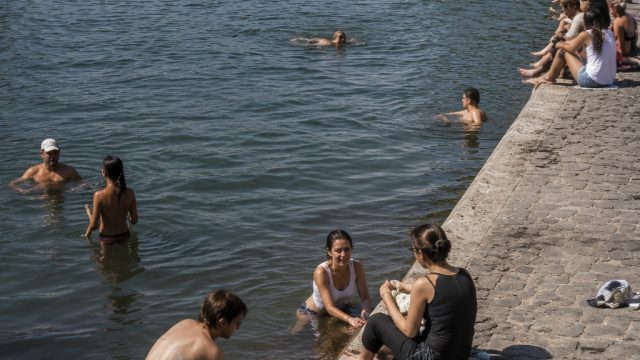
According to data from local authorities, the recent drowning incidents have occurred in various locations, including lakes and rivers, where individuals sought relief from the oppressive heat. The numbers paint a grim picture:
- 40 reported drownings in just the past week.
- Over 100 emergency calls related to heat-related health issues.
- Increased visits to emergency departments due to heat exhaustion.
Urgent Response Measures and Public Awareness
In light of these tragedies, French authorities are mobilizing resources to address the heatwave's impact. Public safety campaigns are being launched to educate citizens on how to stay safe during extreme temperatures. This includes:
- Advising people to stay indoors during peak heat hours.
- Encouraging hydration and avoiding alcohol consumption.
- Designating cooling centers in urban areas for those without access to air conditioning.
The Role of Community Support
Community involvement is crucial during such crises. Neighbors are urged to check on each other, especially those who may be more vulnerable. Local governments and NGOs are also stepping up, providing resources for those affected by the heatwave. Collaborative efforts aim to ensure that every citizen has access to the necessary support.
Broader Implications of Climate Change
The current situation in France serves as a stark reminder of the ongoing climate crisis. Extreme weather events are becoming increasingly common, and their effects are felt worldwide. The rise in heat-related incidents raises serious questions about public health preparedness and the need for sustainable climate action.
Experts warn that if substantial measures are not implemented to combat climate change, the frequency and severity of heatwaves are likely to worsen, leading to more incidents of drowning and other heat-related emergencies.
Call to Action: What Can Be Done?
As the world watches France battle this crisis, it’s essential to consider collective action. Here are some steps individuals and communities can take:
- Advocate for climate-friendly policies and practices.
- Participate in local initiatives aimed at increasing awareness regarding heat-related hazards.
- Support organizations focused on climate action and disaster response.
Conclusion: Facing the Challenge Together
As France confronts the devastating consequences of this record heatwave, the nation must come together to ensure safety and well-being. The recent drownings underscore the urgent need for awareness and preparedness in the face of climate-related challenges. A united effort is paramount to not only address the immediate crisis but also to cultivate a resilient future for all.
